
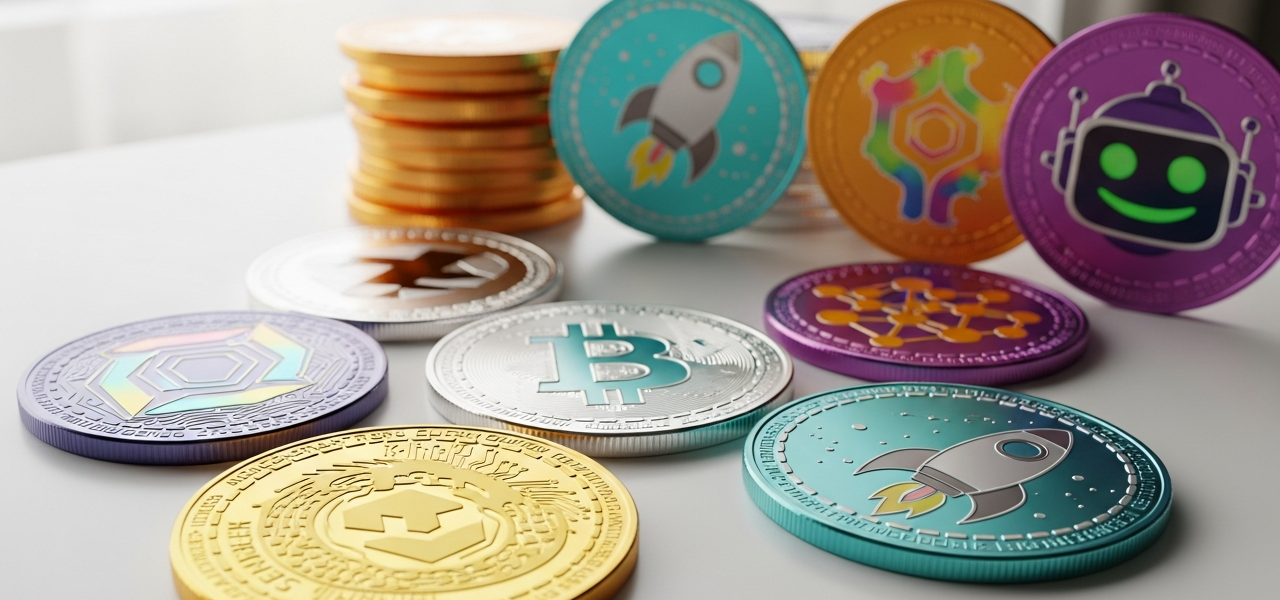
Comparing dogecoin to other memecoins
What started as a lighthearted joke in 2013 has transformed into one of cryptocurrency’s most remarkable success stories. Dogecoin, born from a popular Shiba Inu meme, now commands a market capitalization of approximately $35 billion as of early 2025, proving that community-driven assets can achieve extraordinary financial heights. While DOGE pioneered the memecoin category, it now faces intense competition from rivals like Shiba Inu (SHIB), Pepe (PEPE), Bonk, dogwifhat, and FLOKI, each offering unique approaches to blockchain technology, tokenomics, and community engagement.
The memecoin landscape has evolved dramatically since Dogecoin’s inception, with newer projects leveraging different blockchains, implementing varied supply models, and building sophisticated ecosystems beyond simple speculation. As we examine the 2025-2026 market context, understanding these key differences becomes crucial for investors navigating this volatile yet potentially lucrative sector where DOGE maintains its leadership position despite mounting challenges from innovative competitors.
What Makes Dogecoin the Original Memecoin?
Dogecoin emerged in December 2013 as a fork of Litecoin, created by Billy Markus and Jackson Palmer who combined the popular “Doge” Shiba Inu meme with cryptocurrency technology. Unlike Bitcoin’s deflationary model, DOGE implemented an unlimited supply mechanism, adding 5 billion new coins annually through its proof-of-work mining process. This inflationary approach was designed to encourage spending rather than hoarding, aligning with the coin’s original purpose as a tipping and microtransaction currency.
The project gained massive mainstream attention through Elon Musk’s influential Twitter endorsements, transforming from an internet joke into a legitimate payment option accepted by various merchants. Dogecoin’s early adoption in tipping culture, particularly on Reddit and Twitter, established its reputation as a friendly, accessible cryptocurrency that prioritized community engagement over technical complexity. This grassroots approach to adoption, combined with its meme-driven marketing and charitable initiatives like funding the Jamaican bobsled team’s Olympic participation, cemented DOGE’s position as the original and most recognizable memecoin.
The coin’s staying power stems from its simplicity and broad appeal, attracting users who found Bitcoin and Ethereum intimidating or overly technical. By maintaining its lighthearted brand while delivering reliable transaction processing, Dogecoin created a blueprint that countless memecoins have attempted to replicate, though none have matched its cultural impact or market longevity.
Dogecoin’s Key Strengths
- Pioneering Status: First-mover advantage in the memecoin category with over 11 years of market presence and brand recognition
- Superior Liquidity: Highest trading volumes among memecoins, enabling easier entry and exit for large positions without significant price impact
- Community Longevity: Sustained, multi-generational community support that has weathered multiple crypto market cycles and bear markets
- Mainstream Acceptance: Broader merchant adoption and payment integration compared to newer memecoins, with Tesla and other major companies accepting DOGE
- Celebrity Endorsements: Consistent high-profile support from Elon Musk and other influential figures, providing ongoing marketing value
- Technical Stability: Proven blockchain infrastructure with reliable transaction processing and minimal downtime over its operational history
Limitations of DOGE
Despite its pioneering status, Dogecoin faces significant limitations that newer memecoins have addressed through innovation. The primary weakness lies in its limited utility beyond basic payments and speculation, lacking the sophisticated DeFi ecosystems, NFT marketplaces, or gaming integrations that characterize modern blockchain projects. DOGE operates on its own blockchain without smart contract functionality, preventing the development of decentralized applications or complex financial instruments that could expand its use cases.
The coin’s unlimited supply model, while encouraging circulation, creates persistent inflationary pressure that may limit long-term price appreciation compared to scarce assets. Additionally, DOGE’s development has been relatively slow, with minimal protocol upgrades or feature additions since its launch, leaving it technologically stagnant while competitors innovate rapidly across multiple blockchain platforms and use cases.
Top Memecoins Competing with Dogecoin
The memecoin market has expanded dramatically since Dogecoin’s early dominance, with numerous projects achieving billion-dollar valuations through innovative tokenomics, community building, and ecosystem development. Current market leaders demonstrate diverse approaches to blockchain technology, with some focusing on Ethereum’s established infrastructure while others leverage faster, cheaper alternatives like Solana.
Rankings shift frequently based on market sentiment, celebrity endorsements, and viral social media campaigns, but several projects have established themselves as consistent DOGE competitors through sustained community growth and technical development.
- Dogecoin (DOGE) – $35 billion market cap, independent Litecoin-fork blockchain with proof-of-work consensus
- Shiba Inu (SHIB) – $7 billion market cap, Ethereum-based ERC-20 token with Layer-2 Shibarium scaling solution
- Pepe (PEPE) – $1.5 billion market cap, Ethereum ERC-20 token focused on meme culture and viral marketing
- dogwifhat (WIF) – $800 million market cap, Solana-based token emphasizing fast transactions and low fees
- FLOKI – $600 million market cap, multi-chain project with gaming ecosystem and educational initiatives
- Bonk (BONK) – $400 million market cap, Solana ecosystem token with community governance and DeFi integration
- Mog Coin (MOG) – $300 million market cap, Ethereum-based community token with deflationary tokenomics
Emerging Challengers
Solana-based memecoins like dogwifhat and Bonk represent a significant shift in the competitive landscape, leveraging their blockchain’s sub-second transaction times and minimal fees to attract users frustrated with Ethereum’s high gas costs. These projects demonstrate how newer memecoins can differentiate themselves through technical infrastructure choices, offering superior user experiences for trading, tipping, and microtransactions.
The Solana ecosystem’s rapid growth has enabled these tokens to build integrated DeFi functionalities, NFT collections, and gaming applications that would be prohibitively expensive on Ethereum. This technological advantage allows smaller-cap memecoins to compete effectively with established projects by providing better utility and lower barriers to participation, potentially reshaping the entire memecoin hierarchy as adoption patterns evolve.
Dogecoin vs Rivals: Core Technical Comparison
| Memecoin | Blockchain | Consensus | Supply Model | Launch Year |
|---|---|---|---|---|
| Dogecoin (DOGE) | Independent (Litecoin fork) | Proof of Work | Unlimited (5B/year) | 2013 |
| Shiba Inu (SHIB) | Ethereum/Shibarium | Proof of Stake | Fixed (1 quadrillion) | 2020 |
| Pepe (PEPE) | Ethereum | Proof of Stake | Fixed (420 trillion) | 2023 |
| dogwifhat (WIF) | Solana | Proof of History/Stake | Fixed (999 million) | 2023 |
| FLOKI | Ethereum/BSC | Proof of Stake | Fixed (10 trillion) | 2021 |
| Bonk (BONK) | Solana | Proof of History/Stake | Fixed (100 trillion) | 2022 |
Blockchain Autonomy Breakdown
Dogecoin’s independent blockchain architecture provides complete control over its protocol development, transaction fees, and consensus mechanisms, but also creates isolation from the broader DeFi ecosystem. This autonomy means DOGE doesn’t benefit from Ethereum’s smart contract capabilities or Solana’s high-speed infrastructure, limiting its potential for ecosystem expansion. The coin operates on its own merit without relying on external platform success or facing risks from underlying blockchain vulnerabilities.
Platform-dependent tokens like SHIB, PEPE, and BONK inherit both the advantages and limitations of their underlying blockchains, gaining access to established developer tools, interoperability, and ecosystem applications while facing potential scalability issues and network congestion. These tokens can leverage existing infrastructure but remain vulnerable to their host blockchain’s technical problems or governance decisions.
Token Supply Impacts
DOGE’s unlimited supply creates ongoing inflation that encourages spending and circulation while potentially limiting long-term value appreciation, as new coins constantly enter the market regardless of demand. This model prioritizes utility over scarcity, making DOGE function more like a traditional currency than a store of value, with predictable annual inflation around 3-4% that decreases over time as the total supply grows.
Fixed-supply competitors implement artificial scarcity to drive speculative interest, with some projects incorporating burn mechanisms to reduce circulating tokens over time. This deflationary approach can create stronger price momentum during bull markets but may discourage actual usage if holders prefer to save appreciating assets rather than spend them on transactions or services.
Market Performance: Caps, Volume & Volatility
| Memecoin | Market Cap (2025) | 24h Volume | Price Volatility |
|---|---|---|---|
| Dogecoin (DOGE) | $35.0 billion | $2.8 billion | Moderate (15-25%) |
| Shiba Inu (SHIB) | $7.2 billion | $480 million | High (25-40%) |
| Pepe (PEPE) | $1.5 billion | $120 million | Very High (40-70%) |
| dogwifhat (WIF) | $800 million | $95 million | Extreme (50-100%) |
| FLOKI | $600 million | $35 million | High (30-50%) |
| Bonk (BONK) | $400 million | $28 million | Very High (40-80%) |
Liquidity Edge for DOGE
Dogecoin’s superior trading volume creates significant advantages for investors, particularly those managing large positions or requiring quick entry and exit strategies. With daily volume often exceeding $2.8 billion, DOGE offers minimal slippage even for multi-million dollar trades, while smaller memecoins can experience dramatic price swings from relatively modest transaction sizes. This liquidity depth makes DOGE more suitable for institutional adoption and reduces the risk of market manipulation that affects lower-volume competitors.
The volume differential also translates to more stable price action during normal market conditions, as DOGE’s large trading base can absorb selling pressure that would crash smaller-cap memecoins. However, this stability comes at the cost of explosive upside potential, as DOGE requires significantly more capital inflow to achieve the percentage gains that smaller competitors can generate from viral social media campaigns or celebrity endorsements.
Community & Hype Factors
Community strength remains the primary driver of memecoin success, with each project cultivating distinct cultures and engagement strategies that influence long-term viability. Dogecoin benefits from the “Musk effect,” where Elon Musk’s social media posts can trigger immediate price spikes and sustained attention, creating a unique celebrity-community hybrid that no competitor has replicated. This relationship, spanning multiple years, has evolved beyond simple price pumping to include discussions of DOGE’s potential role in Twitter/X payments and Tesla transactions.
Shiba Inu’s “ShibArmy” represents a more grassroots approach, building ecosystem loyalty through token utility, governance participation, and educational initiatives that extend beyond price speculation. PEPE leverages social media virality and meme culture nostalgia, creating rapid but often short-lived hype cycles that can generate massive returns followed by equally dramatic corrections. The sustainability of these different community models varies significantly, with established projects like DOGE and SHIB showing more resilience during market downturns compared to newer, hype-dependent tokens that struggle to maintain momentum without constant viral content generation.
Celebrity Influence
- Amplified Volatility: Celebrity endorsements create immediate but unsustainable price spikes that often reverse rapidly once attention shifts elsewhere
- Mainstream Exposure: High-profile mentions introduce memecoins to non-crypto audiences, expanding potential user bases beyond traditional cryptocurrency enthusiasts
- Dependency Risk: Projects become vulnerable to celebrity sentiment changes, negative publicity, or reduced engagement from influential figures
- Marketing Efficiency: Single tweets can generate marketing value equivalent to millions of dollars in traditional advertising spend, providing massive ROI for community building
Social Media Metrics
Social media engagement patterns reveal significant differences between memecoin communities, with established projects like Dogecoin maintaining steady discussion volume across multiple platforms while newer tokens experience dramatic spikes followed by rapid decline. DOGE consistently ranks among the most-mentioned cryptocurrencies on Twitter, Reddit, and TikTok, indicating sustained community interest rather than temporary viral moments that characterize smaller competitors.
Rapid growth metrics can be misleading, as tokens like PEPE and dogwifhat often achieve massive social media spikes during price rallies but struggle to maintain engagement during consolidation periods. Sustained growth indicators such as holder count increases, developer activity, and cross-platform discussion consistency provide better predictors of long-term success than peak attention metrics that may reflect speculative bubbles rather than genuine community building.
Utility & Ecosystem Development
| Memecoin | Payments/Tipping | DeFi/NFTs | Metaverse/Games | Layer-2 |
|---|---|---|---|---|
| Dogecoin (DOGE) | Excellent | Limited | None | None |
| Shiba Inu (SHIB) | Good | Extensive | Limited | Shibarium |
| Pepe (PEPE) | Limited | Basic | None | None |
| FLOKI | Moderate | Good | Valhalla | Multi-chain |
| dogwifhat (WIF) | Good | Moderate | None | Solana Native |
DOGE’s Real-World Use
Dogecoin maintains the strongest real-world utility among memecoins, with widespread adoption for charitable donations, online tipping, and merchant payments that extend beyond speculative trading. Major companies including Tesla, AMC Theaters, and the Dallas Mavericks accept DOGE payments, while numerous smaller merchants integrate the coin for everyday purchases ranging from food delivery to digital services. This practical usage creates genuine demand independent of market speculation, providing price support during bearish periods.
The coin’s tipping culture remains active across social media platforms, with users sending small DOGE amounts to content creators, charity drives, and community causes that build positive brand associations. Unlike competitors focused primarily on DeFi speculation or NFT trading, DOGE’s payment utility offers sustainable long-term value proposition that could expand significantly if integrated into major platforms like X (formerly Twitter) for micropayments and creator monetization.
Investment Risks & Upside Potential
- DOGE Stability Trade-off: Lower volatility provides safer entry points but limits explosive gain potential compared to smaller-cap alternatives
- Liquidity Advantages: Superior trading volume enables institutional participation while smaller coins face manipulation risks from large holders
- Innovation Gap: Established coins may lag behind newer projects implementing cutting-edge DeFi features or blockchain technologies
- Celebrity Dependency: All memecoins remain vulnerable to sentiment shifts from influential endorsers, creating systematic risk across the category
- Regulatory Uncertainty: Government cryptocurrency policies could disproportionately impact speculative assets like memecoins compared to utility tokens
- Market Cycle Sensitivity: Memecoin performance correlates heavily with overall crypto market sentiment and retail investor enthusiasm levels
Risk Comparison Table
| Memecoin | Main Risk | Upside Factor |
|---|---|---|
| Dogecoin (DOGE) | Limited growth ceiling due to large market cap | Mainstream adoption and payment integration |
| Shiba Inu (SHIB) | Ethereum scaling limitations and high fees | Comprehensive ecosystem development |
| Pepe (PEPE) | Pure speculation without fundamental utility | Viral potential and cultural resonance |
| dogwifhat (WIF) | Solana network dependency and competition | Technical superiority and low transaction costs |
| FLOKI | Multi-chain complexity and execution challenges | Gaming and educational ecosystem expansion |
Portfolio Strategy
Optimal memecoin portfolio allocation balances DOGE’s stability with higher-risk, higher-reward alternatives, typically featuring 40-60% allocation to Dogecoin as the foundation position while distributing remaining capital across 2-3 smaller competitors based on individual risk tolerance. This approach captures DOGE’s reliable performance and liquidity advantages while maintaining exposure to explosive growth potential from emerging projects like dogwifhat or FLOKI.
Strategic diversification should consider blockchain distribution, avoiding overexposure to Ethereum-based tokens that share gas fee and scaling risks, while incorporating Solana-based alternatives that offer different technical risk profiles. Regular rebalancing proves crucial as memecoin valuations shift rapidly, with profits from smaller coins often rotated back into DOGE to preserve gains while maintaining growth exposure through position sizing adjustments based on market cycle phases.
Dogecoin’s Future vs Memecoin Trends
Dogecoin’s 2025-2026 outlook hinges on potential payment integration developments, particularly speculation around X platform implementation and expanded Tesla acceptance that could transform DOGE from speculative asset to functional currency. While competitors focus on building complex DeFi ecosystems and gaming applications, DOGE’s path emphasizes real-world adoption through merchant partnerships and microtransaction use cases that leverage its established brand recognition and technical stability.
The broader memecoin landscape increasingly divides between utility-focused projects developing comprehensive ecosystems and pure speculation tokens riding viral marketing cycles. DOGE occupies a unique middle position, offering sufficient utility for practical use while maintaining memecoin culture and community engagement that drives retail interest. This positioning could prove advantageous as regulatory scrutiny increases, potentially favoring coins with demonstrable real-world usage over purely speculative assets.
Market maturation trends suggest institutional adoption may eventually separate established memecoins like DOGE and SHIB from newer projects lacking fundamental utility or community longevity. The integration of traditional finance infrastructure, including ETF development and custody solutions, likely benefits larger-cap memecoins with proven track records over experimental tokens subject to extreme volatility and regulatory uncertainty.
Key Predictions
- Payment Integration Acceleration: DOGE will likely achieve major platform integrations by 2026, potentially including social media micropayments and e-commerce adoption that creates sustainable demand
- Ecosystem Bifurcation: The memecoin market will split between utility-focused projects building comprehensive platforms and pure meme tokens dependent on viral marketing cycles
- Regulatory Clarity Impact: Government cryptocurrency guidelines will favor established coins with real-world use cases over purely speculative tokens, benefiting DOGE’s adoption prospects
- Technical Innovation Requirements: Competitors will need to deliver functional ecosystems beyond promises to maintain relevance, while DOGE’s simplicity may become a competitive advantage
- Institutional Participation Growth: Traditional finance adoption will concentrate in liquid, established memecoins rather than experimental alternatives, strengthening DOGE’s market position